Introduction: The Silk Bedding Landscape
Silk bedding occupies a rarefied corner of home textiles, where science meets tactile luxury. The fiber itself—mulberry silk—has carried the aura of refinement across centuries, from imperial beds to modern luxury brands. Yet beyond the sheen lies a practical framework that determines how a sheet feels after a night’s rest and how long it will endure daily use. The choices a consumer faces when buying silk bedding are not merely about color or softness; they hinge on fiber quality, weave, weight, finishing, and care. In this guide, we’ll illuminate the core criteria that separate a durable, skin-friendly sheet from a fleeting luxury, drawing on the benchmarks set by respected houses such as Sferra, Vispring, and Gingerlily.
The Silk Bedding market is rich with terminology—mommes, weaves, and certifications—that can feel opaque at first glance. By translating these terms into practical considerations, we aim to empower readers to compare options with confidence, regardless of brand loyalty.
Key Factors in Silk Bedding Quality
Silk quality is primarily shaped by three interlocking factors: fiber type, momme weight, and weave. Each factor contributes to hand feel, durability, temperature regulation, and care needs.
- Fiber type: Most premium silk bedding is 100% mulberry silk, believed to deliver the finest hand and sheen. Lower-grade silks may include blends or less uniform filament quality, which can affect longevity and drape over time.
- Momme weight: This is the standard measure of fabric density in silk. In bedding, weights commonly range from 19 to 22 momme (and higher in some luxury lines). A higher momme typically signals a more durable, matte to satin-like surface with enhanced wrinkle resistance, though it can also feel crisper or heavier to the touch.
- Weave and finish: The weave (such as charmeuse or satin-like structures) influences drape, luster, and friction against the skin and hair. Finishing steps—like enzyme washes or brightening—affect hand feel and colorfastness.
Brand Benchmarks: Gleaning From the Pros
While the Silk Bedding market hosts a spectrum of price points, a few brands consistently illustrate the balance between luxury and longevity.
Sferra Giza 45 Seta represents a benchmark in silk-blend luxury where Giza 45 Egyptian cotton is woven with silk to create a luminous surface and refined hand. This product line demonstrates how silk can pair with other premium fibers to achieve both durability and a silk-like sheen.
Vispring silk components often highlight how natural fibers and meticulous craftsmanship can elevate bed linens into a holistic sleep experience—an approach that emphasizes long-term care, timeless design, and responsible sourcing.
Gingerlily Signature and Luxe lines provide a modern reference framework for silk bedding in everyday bedrooms. Their Ivory Silk Fitted Sheet (22 momme) exemplifies key selling points: a hypoallergenic surface, robust pocket depth, and care instructions that emphasize gentle washing and air drying.
Care and Longevity: Caring for Silk Bedding
Silk requires a gentler touch than many cotton or synthetic fabrics, yet proper care yields decades of use if treated with consideration. Common care guidelines include:
- Wash on a delicate cycle using mild detergent designed for silk or delicates. Some brands specify water temperature not exceeding 30°C.
- Avoid fabric softeners and harsh bleach; these can degrade the fiber’s natural integrity.
- Air dry whenever possible; tumble drying on low heat is acceptable for some silk products but may shorten lifespan if done aggressively.
- Iron on a cool setting if necessary, ideally while slightly damp or with a protective cloth.
Maintaining silk’s sheen and texture is a balance between careful laundering, proper storage, and selecting textiles with high-quality silk and stable dyes. The Ivory Silk Fitted Sheet from Gingerlily, for example, emphasizes 22 momme silk and a 15-inch pocket depth, indicating both durability and a tailored fit to preserve a pristine bed surface.
A Practical Buying Framework: From Terms to Truth
When evaluating silk bedding, consider the following practical framework to translate marketing language into reliable, long-term performance.
- Material integrity: Verify that the product is 100% mulberry silk, not a blend, and note the country of origin and any certifications (e.g., OEKO-TEX 100) that attest to skin safety.
- Momme weight: Decide if you prefer crisper, more durable surfaces (22 momme) or softer drape with similar warmth and breathability (19–20 momme). Remember that higher momme often correlates with longer wear and better sheen retention.
- Weave and finish: Charmeuse or satin-weave sheets present a glossy face with a particular feel against the skin. If you prioritize a matte yet elegant surface, explore different weaves or finishing options offered by brands.
- Care requirements: Some silk bedding is marketed as machine-washable; others require hand-washing or dry cleaning. Align care expectations with your lifestyle and laundry setup.
- Fit and size compatibility: Fitted sheets should offer ample pocket depth and secure corners to prevent slipping—especially with thicker mattresses. A 15-inch pocket, as seen in Ivory Silk Fitted Sheet, is a common target for deeper beds.
- Colorfastness and dye stability: Look for colorfast finishes and tested color stability to ensure long-term color integrity, especially if you prefer vivid or pale hues that must endure repeated washing.
Case in Point: Three Notable Silk Bedding Pieces
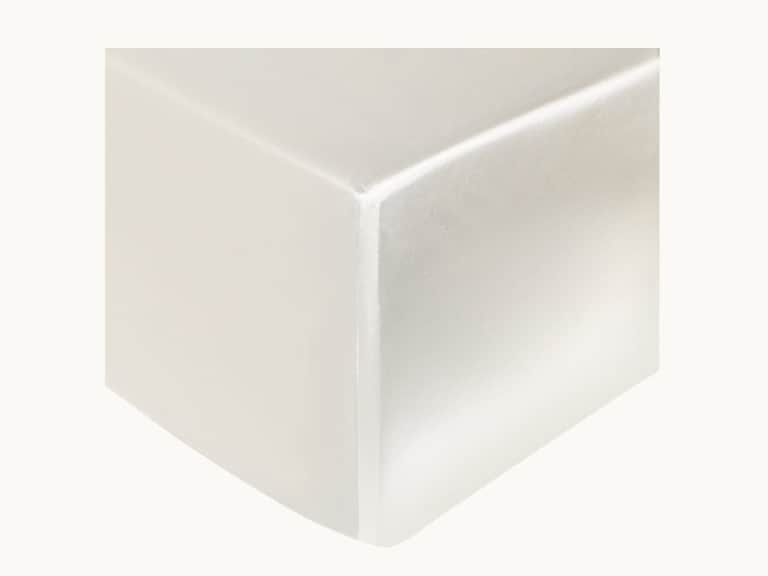
Ivory Silk Fitted Sheet — 22 Momme
Pure mulberry silk, ivory tone, Signature collection. A 22 momme weight suggests durability and a dense weave, yielding a satin-like drape that remains gentle on skin and hair. Pocket depth is 15 inches, designed to fit a range of mattress thicknesses securely.
Care: machine wash on delicate at 30°C; air dry; cool iron.
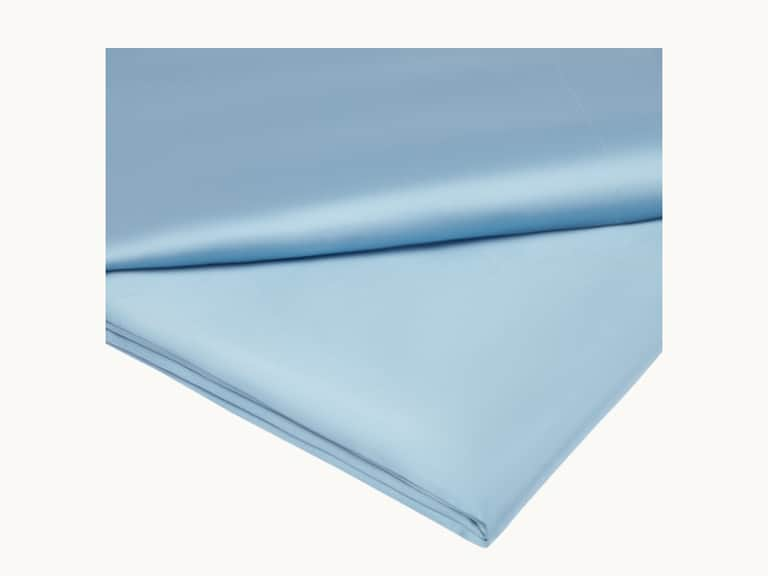
Summerhill Blue Silk Flat Sheet — 19 Momme
A lighter silk surface finished with a 7 cm border. This piece demonstrates how a mid-weight silk offers breathable comfort with a restrained sheen, pairing well with other blue or neutral bedding themes.
Care: machine wash on delicate; air dry; cool iron.
Historical and Cultural Context: Silk Through Time
Silk has traveled across continents, guiding trade routes and fashion as much as it has influenced bedside comfort. The Silk Road connected biomes of silk production in China with markets across Central Asia and Europe, shaping economies and the aesthetics of pillow and bed coverings. Modern silk bedding carries that heritage forward, translating ancient values of luxury and care into contemporary fabrics that remain durable with proper maintenance.
In a historical lens, the way silk sheets respond to body temperature—calibrating warmth in winter and breathability in summer—echoes long-standing concerns with comfort, health, and rest. The juxtaposition of silk’s luster with the practical, daily routines of washing and drying tells a narrative of luxury that is not merely decorative but functional.
The discussion here anchors itself in three notable voices across time: a 12th-century textile artisan who would recognize the importance of fiber consistency; a 19th-century textile chemist who would appreciate finish and dye stability; and a contemporary curator whose focus is preservation and ethical sourcing.
Three Key Figures from Different Time Periods
A. The 12th-Century Silk Artisan
In the bustling markets along the Silk Road, artisans perfected the art of clean, consistent fiber preparation. Though not named in modern terms, this figure embodies an ethos: the quality of silk begins with the silkworm’s careful cultivation, the filtration of stubborn sericin, and the careful alignment of filaments. Their craft laid the groundwork for the luxurious feel we chase in today’s silk bedding.
Legacy: fiber integrity and quality control as traditional bedlans of luxury.
B. The 19th-Century Textile Chemist
This figure represents the dawn of modern textile finishes—dye stability, washfastness, and fiber treatment. The chemist’s inquiries into how dyes bind to silk and how finishes impact hand feel resonate with contemporary concerns about colorfastness and fabric longevity. Their work underpins the modern assurance that silk bedding can maintain color and sheen through repeated use.
Legacy: the science behind long-lasting silk color and surface quality.
C. The Contemporary Curator
In contemporary contexts, curators and textile historians emphasize preservation, ethical sourcing, and sustainable practice. The curator’s perspective informs how modern silk bedding is presented to consumers: transparent material origins, rigorous safety certifications, and care guidelines that honor both the fiber and the wearer.
Legacy: transparency, provenance, and responsible luxury in bedding.
Putting It All Together: A Buying Plan
To translate this information into a practical buying plan, approach silk bedding as a lifecycle commitment: selection, care, and maintenance. Start with a trusted fiber source (mulberry silk), confirm the momme range aligns with your durability needs, and choose a weave that suits your preferred hand feel. Consider a flagship piece such as the Ivory Silk Fitted Sheet from Gingerlily as a reference point: it embodies 22 momme, a 15-inch pocket, and clear care instructions—together signaling a balance of luxury and practicality.
As you build a curated set, remember that the bedding’s beauty also rests on consistent care. Silk’s resilience is a function of how regularly it is washed, dried, and stored. By aligning expectations with the realities of silk care, you can enjoy a comfortable, luxurious sleep surface for years to come.